
Learning by Doing
Hands-on learning engages students and the community through unique educational opportunities


Cedar Shoals High School students discuss project ideas with District 2 Commissioner Mariah Parker (Ph.D. ’23).
Cedar Shoals High School students discuss project ideas with District 2 Commissioner Mariah Parker (Ph.D. ’23).


Serving tomorrow's leaders
UGA graduate students help empower local high schoolers in youth and civic leadership course
By Lauren Leathers


Late last year, a peer mentoring class at Cedar Shoals High School presented service project proposals in a legislative forum, arguing for their efforts based on qualitative and quantitative research.
The class is a unique endeavor developed and taught by Katie Baker Johnson (A.B. ’11, M.A.T. ’14, Ph.D. ’23), a doctoral student in the Mary Frances Early College of Education's Department of Language and Literacy Education. The course trains emergent researchers and teachers to work collaboratively with youth.
“Students located on the east side of Athens are historically marginalized, forgotten, and colonized,” says Baker. “Instead of giving charity to these historically underfunded students, I wanted to empower them to claim their voices and tell their stories, so they can shift power structures and perspectives with their own voices, agency, and brilliance.”
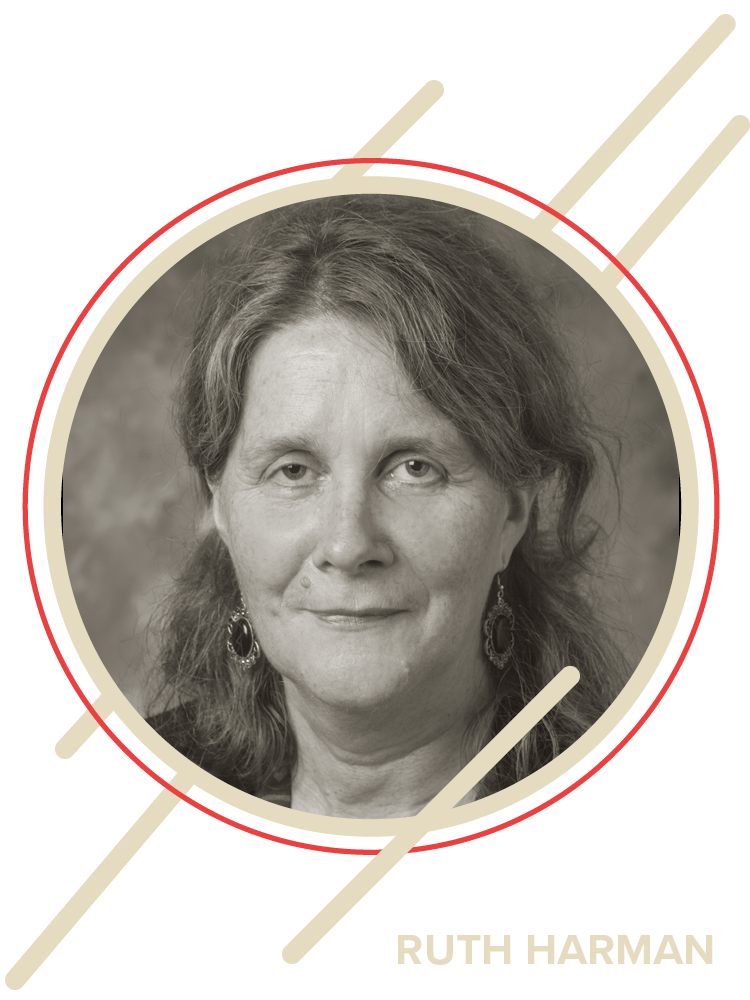
The high school students received support from UGA graduate students in a youth and civic leadership course taught by professor Ruth Harman in the Department of Language and Literacy Education and Athens-Clarke County District 2 Commissioner and doctoral student Mariah Parker (Ph.D. ’23). Local philanthropists Grady Thrasher and Kathy Prescott (B.F.A ’75, M.F.A. ’80) funded the project.
"Our approach in this combined teacher education and youth civic leadership program positions youth and future teachers as civic agents of change and artistic designers of new knowledge,” says Hartman. “We encourage youth and adults to iteratively and generatively engage with real-world issues and design innovative, equity-centered solutions to real-world problems.”
On the day of the forum, community members and an Athens commissioner visited the school and voted for the top three projects to receive funding, which included Club Counselors, J.A.M., and Art for the Student Spirit.
Club Counselors' research focuses on the lack of information available on extracurricular activities for incoming freshman at Hilsman Middle School, a pipeline school for Cedar Shoals High School. Data show that participation in extracurricular activities increases student engagement, GPA, and graduation rates. By planning a club fair and presenting in several classes, the group hopes to inform middle school students of club opportunities available in high schools to increase future participation.
Additionally, studies show that symptoms of depression are more common in students with disabilities, and that they are isolated from the rest of the student body, causing a social gap. J.A.M. seeks to close that gap and help students with disabilities expand their communication skills through quality time and class integration.
"The problem is our school doesn't have enough color expressed throughout the halls and classrooms," says Eric Hixson, a student at Cedar Shoals who created Art for the Student Spirit. The young artist, who plans on painting three portraits in the school this year, developed a concept to boost learning progress through colorful murals that stimulate critical thinking.
Experiential learning during FY20
1,065
Number of students who took part in experiential learning opportunities
2,153
Number of hands-on learning experiences for students in schools, clinics, hospitals, and community settings
762
Number of students who took part in experiential learning through kinesiology-designated courses
268
Number of schools, clinics, and community organizations across Georgia who partnered with the College to provide these experiences


A touch of support
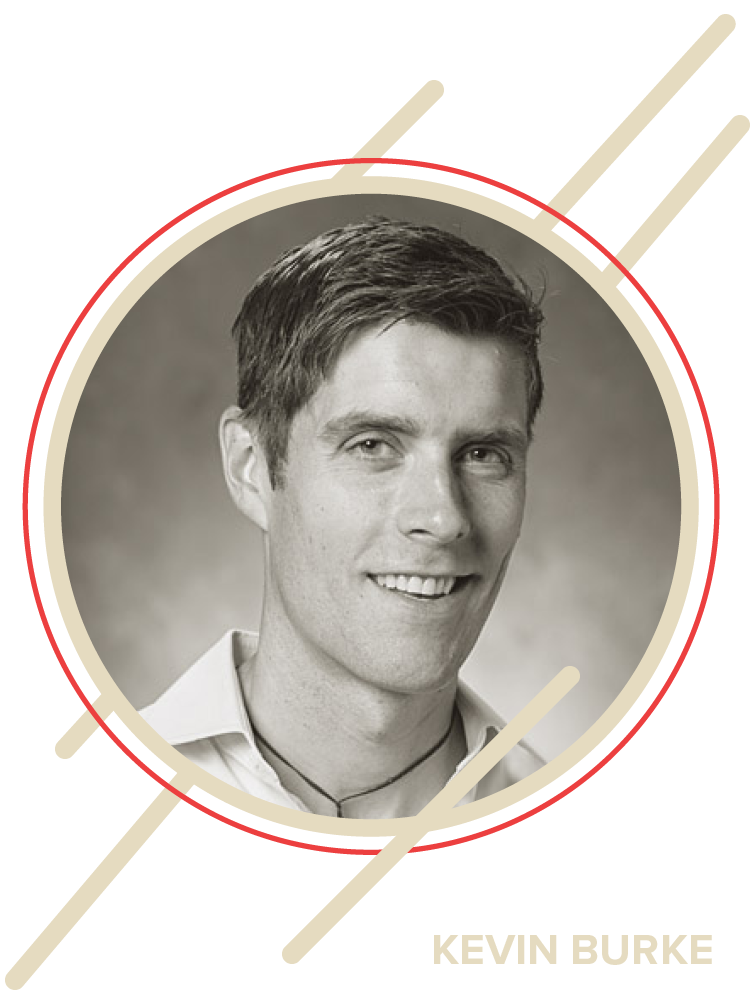
This year, Harman and Burke received the Glickman Challenge Grant funded by professor emeritus Carl Glickman and his wife, Sara, to support faculty in implementing collaborative projects in high-needs schools.
By using resources from UGA, the Athens community, and the interdisciplinary support of teachers at Cedar Shoals High School, the two are developing a social studies course focused on peer mentorship, civic leadership, and artistic vision.
This fall, students at Cedar Shoals High School have the opportunity to think deeply about community problems facing their homes and school spaces by engaging in weekly workshops with UGA faculty and local leaders.
By November 2020, these students will decide on key issues they want to address through their service and research projects. In spring 2021, Harman’s UGA course on youth civic leadership will be held at the school, and graduate students will support them in developing their research and service projects related to community issues, as well as in developing compelling written and oral argumentation for a legislative session with county commissioners.









From concept to product
Associate professor fuels student learning with automotive projects
In fall 2014, associate professor John Mativo and four students at the University of Georgia organized the UGA chapter of the Society of Automotive Engineers—later renamed UGA Motorsports.
Over the years, Mativo, an associate professor in the College’s Department of Career and Information Studies, helped students raise awareness for the club’s mission to explore the automotive world across campus through various activities including food sales, game nights, and a year-end BBQ, leading to increased membership.
By 2017, UGA Motorsports gained more than 100 members, which Mativo credits to active officers, increased interest, relevance of the club activities to real-life applications, and college support.

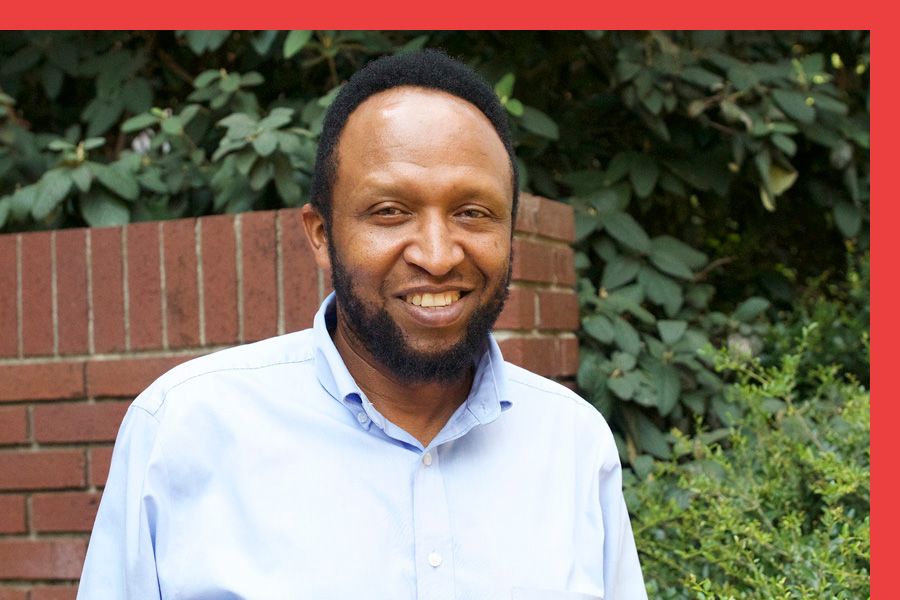
Last year, Mativo was named the Society of Automotive Engineers' Outstanding Faculty Advisor at the International Society of Automotive Engineers World Congress Experience. The award, presented to one faculty advisor each year, honors individuals who have made significant contributions to the advancement of their chapter with a minimum of three years of experience advising club members.
"The SAE Outstanding Faculty Advisor award is a recognition of my contribution to students learning about vehicles," says Mativo. "They use their engineering backgrounds to design and build a vehicle from scratch to test it and meet specifications that allow it to compete. Students see the relevance of what they learn in class and how they can apply it to real-life situations.”
The UGA Motorsports shop is located behind Driftmier Engineering Center on the Athens campus. There, 60 members built a Formula Society of Automotive Engineers (SAE) race car that competed in a student competition in Lincoln, Nebraska, earlier last year. Five students accompanied Mativo to represent UGA at the event.
"When we went to compete in Nebraska, the judges said they had never seen a team build a vehicle in one year and bring it to competition," Mativo says. "They were impressed with what the students did and I too was impressed."
Nowadays, the group can be seen arms-deep in their latest project: a Champcar. The Champcar—unlike the Formula SAE—is not restricted to only university students. Also in the works is a second version of the Formula SAE car, which 80 students helped build.
"I consider club activities as a learning tool—this is experiential learning for students," he says. "It offers a platform for students to really get engaged and practice what they learn in classrooms and experience teamwork. This creates an atmosphere of the workplace, and I don't see a substitute for that. I'm thankful that we have support from the College of Education and from the College of Engineering for such endeavors."
 Built with Shorthand